ant control in Houston / COMMERCIAL DECISION
Fire Ant and Tawny Crazy Ant Control in Houston with Property Mapping
Differentiate mound-centered fire ant activity from dense exterior crazy-ant pressure before choosing treatment and follow-up.
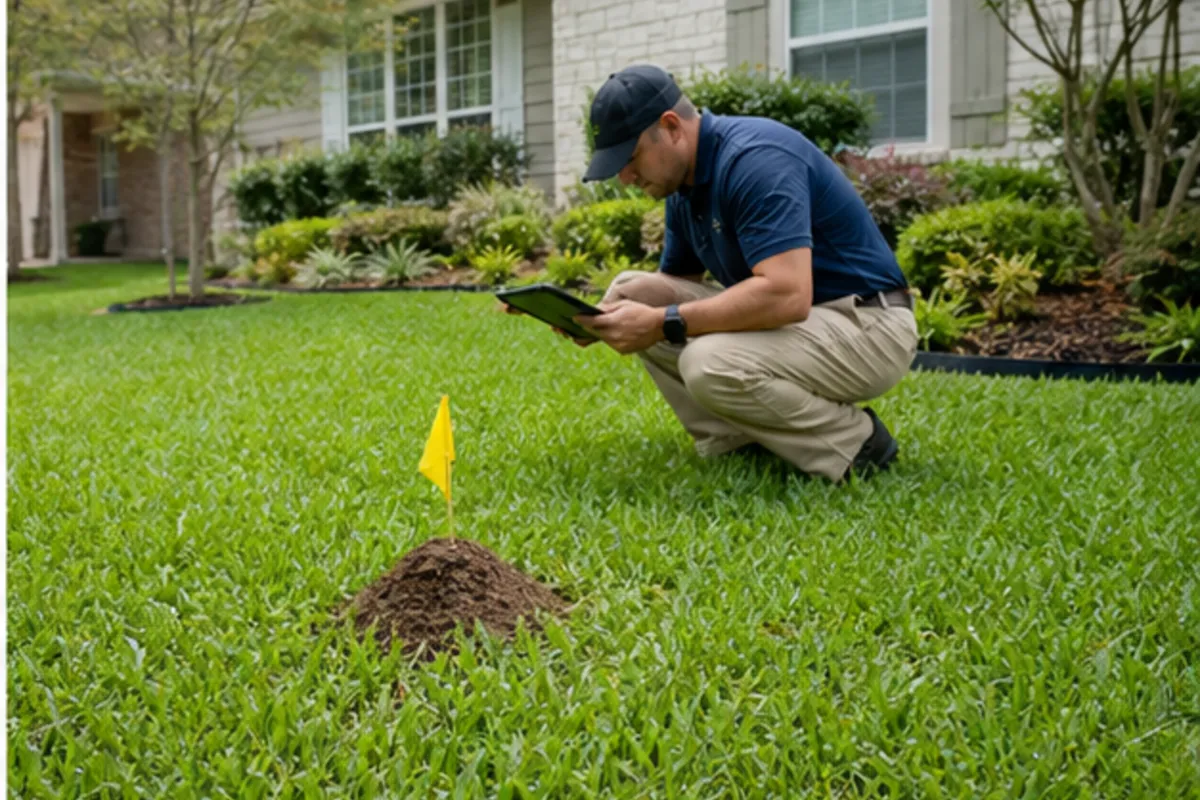
Ant control in Houston Property Objective
a Houston yard, building perimeter, entry, utility zone, or interior has repeated ant activity that does not fit one simple treatment pattern.
- Inspect
- worker appearance, trail and mound locations, landscaping, irrigation, moisture, utilities, entry gaps, interior attractants, property boundaries, and neighboring pressure
- Compare
- fire ant mound and site treatment, tawny crazy ant exterior management, ordinary house-ant trails, one-time work, recurring monitoring, and property corrections
- Deliver
- an ant record showing identification confidence, activity zones, treatment or monitoring locations, owner habitat actions, limits, and follow-up
Ant control in Houston Commercial Decision and Property Objective
A commercial decision for ant control in Houston starts by defining the property problem that needs resolution. The current scenario is a Houston yard, building perimeter, entry, utility zone, or interior has repeated ant activity that does not fit one simple treatment pattern. The requester should identify the location, first-noticed timing, repeat pattern, property use, occupants, access, prior service, and the decision required now. This gives the inspection a purpose beyond confirming that a pest might be present.
The working scope covers worker appearance, trail and mound locations, landscaping, irrigation, moisture, utilities, entry gaps, interior attractants, property boundaries, and neighboring pressure. Those fields prevent a generic visit from standing in for a property-specific service. They also make price and method comparisons fair: each provider is asked to address the same zones, evidence, preparation, owner actions, treatment limits, records, and follow-up objective. The approved plan should remain traceable to this starting record.
Ant control in Houston Evidence Intake before Scheduling
Evidence intake records physical signs without overstating what they prove. Useful material can include specimens, mound form, trail density and direction, activity time, photographs, mapped spread, nesting context, moisture, and entry points. A photograph should contain a wide location view and a closer evidence view when practical. A specimen can help identification when safely captured, but the customer should not disturb nests, enter unsafe attics, open walls, or handle products to improve the request.
Phone or form intake should distinguish a live sighting, old damage, sound, odor, droppings, trail, nest, monitor result, skin concern, or secondhand report. Staff should record uncertainty directly. Medical symptoms belong with a qualified medical provider, and animal symptoms belong with a veterinarian. Pest intake can document property evidence and arrange the appropriate inspection without making those diagnoses.
Ant control in Houston Zone Map for Interior and Exterior Activity
A zone map connects evidence to rooms, fixtures, building edges, and exterior areas. Interior references can include kitchen cabinets, appliances, plumbing voids, bathrooms, bedrooms, furniture, baseboards, storage, attic, garage, drains, receiving, waste, break areas, docks, and monitoring points. Exterior references can include foundation edge, doors, utilities, roofline, vegetation, standing water, wood contact, irrigation, fences, and neighboring pressure visible from the site.
The map for ant control in Houston should cover worker appearance, trail and mound locations, landscaping, irrigation, moisture, utilities, entry gaps, interior attractants, property boundaries, and neighboring pressure. Each finding receives a stable label, date, evidence type, and access status. This lets photographs, specimens, monitors, product placements, traps, exclusion points, maintenance actions, and follow-up results share one record. It also stops a service report from becoming a disconnected list of rooms that cannot show movement, recurrence, or correction.
Ant control in Houston Pest Identification and Confidence Boundary
Identification changes service design. Cockroach species can suggest different harborages and movement routes. Ant species can change whether mound, trail, utility, vegetation, or interior placement matters. Rodent evidence can affect trap and exclusion strategy. Termite evidence requires construction and access context. Bed bug decisions require physical evidence instead of skin reactions alone. The record should state whether identification is verified, probable, limited, or unresolved.
The evidence needed here includes specimens, mound form, trail density and direction, activity time, photographs, mapped spread, nesting context, moisture, and entry points. A blurry image, partial insect, old dropping, sound, or damaged material may justify inspection without supporting a final identification. When confirmation needs a specimen, expanded access, monitoring, laboratory support, or another qualified professional, that step belongs in the plan. Honest confidence limits protect customers from buying treatment for the wrong target.
Ant control in Houston Property Conditions and Contributing Factors
Pest pressure interacts with the property. Moisture, plumbing leaks, condensation, drains, food residues, waste, cardboard, storage, damaged screens, worn seals, construction gaps, vegetation contact, standing water, wood-to-soil contact, irrigation, pets, wildlife, deliveries, travel, tenant turnover, and neighboring activity can change the evidence pattern. These conditions do not excuse service; they show which actions need coordination.
Inspection notes should separate provider work from owner, resident, manager, sanitation, maintenance, plumbing, roofing, landscape, veterinary, medical, wildlife, or other trade responsibilities. Corrective actions need a location, owner, due status, and verification step. Telling a customer to clean, seal, repair, or remove water without a specific property reference is not an accountable recommendation.
Ant control in Houston Access, Occupant, and Preparation Record
Access determines what can be inspected and treated. Locked units, heavy storage, operating equipment, active kitchens, occupied guest rooms, unsafe attics, high rooflines, concealed voids, sensitive inventory, weather, pets, children, residents with specific concerns, and missing authorization can limit the visit. The proposal should state which zones must be available and which remain excluded or deferred.
Preparation should be method-specific and proportional. The customer needs written directions for food and utensils, cabinets, furniture, bedding, floors, pets, aquariums, toys, personal items, staff or residents, and re-entry only when applicable to the chosen product and label. Broad instructions copied to every pest create unnecessary disruption and can hide that the service method has not been defined.
Ant control in Houston Treatment, Monitoring, and Exclusion Options
The decision comparison includes fire ant mound and site treatment, tawny crazy ant exterior management, ordinary house-ant trails, one-time work, recurring monitoring, and property corrections. Options should be judged by target pest, evidence distribution, property fit, access, occupants, label, weather, disruption, corrective actions, repeat requirements, and documentation. No method is automatically appropriate because it is popular, described as green, or used on another property.
Monitoring may establish activity or verify change. Targeted placement can address defined harborages or routes. Trapping and exclusion require sequencing. Habitat reduction changes exterior pressure. Termite, bed bug, mosquito, rodent, and commercial programs may need specialized visits or records. The written proposal should show why each selected action belongs to a mapped zone and which alternatives were not included.
Ant control in Houston Product Label and Safety-Claim Boundary
Pest products and devices require an accurate target, application site, method, and label-directed use. The service record should identify the product information supplied to the customer, preparation, treated and untreated zones, ventilation or re-entry directions where applicable, precautions, and who may perform the work. Product choice cannot be separated from the property and occupant record.
Terms such as safe, non-toxic, chemical-free, pet-safe, child-safe, odorless, harmless, or environmentally friendly require precise support and should not replace label information. The development site makes none of those promises. Before launch, the operator must verify licensing, products, labels, technician duties, disclosures, emergency information, and all marketing language against the real service.
Ant control in Houston Proposal Scope and Price Comparison
A useful proposal makes worker appearance, trail and mound locations, landscaping, irrigation, moisture, utilities, entry gaps, interior attractants, property boundaries, and neighboring pressure visible. It identifies the target pest, inspection findings, included zones, inaccessible areas, treatment or monitoring locations, products or device categories, preparation, customer actions, follow-up, re-service terms, exclusions, professional referrals, and records. Pricing then attaches to a defined scope rather than a vague pest name.
Comparison risks include treating all ants alike, disturbing mounds before inspection, applying around utilities without criteria, or promising control beyond the service boundary. Customers should also review whether the quote is inspection-only, one-time work, a multi-step program, recurring service, exclusion, repair, monitoring, or a combination. Fees, taxes, renewal, cancellation, automatic billing, transfer, guarantee conditions, and optional work should be explicit before authorization. A low total is not comparable when key zones or visits are missing.
Commercial comparison begins only when the target pest, property zones, method, included visits, exclusions, customer actions, and terms are visible.
Ant control in Houston Service-Day Control and Change Approval
Service day begins with confirming the authorized contact, property access, preparation, evidence changes, occupant notes, sensitive zones, and the approved scope. The technician should reconcile current findings with the intake map before placing products, devices, traps, or exclusion materials. New evidence can refine the work, but it should not silently expand the commercial agreement.
A change record states the new finding, affected location, reason, recommended response, price or schedule effect, preparation change, and approving person. Urgent hazards, uncontrolled water, unsafe access, active food exposure, uncontained animals, unauthorized occupancy, or another trade condition can pause a zone. Documented pause criteria are more professional than improvising around conditions that undermine label compliance or inspection quality.
Ant control in Houston Customer and Facility Corrective Actions
Pest service and property actions often depend on each other. Customer tasks may cover food and waste handling, vacuuming, laundry, clutter reduction, container removal, drainage, landscape trimming, pet-care coordination, access, monitoring protection, and reporting. Facility tasks may include doors, sweeps, seals, drains, leaks, sanitation schedules, stock rotation, dock practices, roofline gaps, or work orders.
Every action should name a location, responsible party, timing, and verification method. A photograph, work order, device trend, repaired gap, removed water source, or follow-up observation can close the item. The provider should not present another trade's repair as included unless it is authorized and qualified. The customer should not be left with a generic checklist that cannot be connected to the observed evidence.
Ant control in Houston Follow-Up Measurement and Recurring Plan Decision
Follow-up compares the same evidence locations over time. The next visit can review sightings, specimens, monitor counts, trap results, device condition, new damage, trail intensity, moisture, entry repairs, sanitation or maintenance actions, resident or staff reports, and activity outside the service boundary. A quiet period is recorded accurately without being converted into a permanent elimination claim.
One-time and recurring choices should reflect the pest and property objective. Some work includes a defined verification visit; some pressures benefit from ongoing monitoring; some remain dependent on exclusion, habitat, building repairs, neighbors, deliveries, weather, or occupancy. The plan must state interval, target pests, included zones, re-service criteria, renewal, cancellation, customer duties, and the evidence used to continue or change service.
Ant control in Houston Completion Record and Commercial Handoff
The desired handoff is an ant record showing identification confidence, activity zones, treatment or monitoring locations, owner habitat actions, limits, and follow-up. It should include the date, authorized scope, evidence and identification status, inspected zones, inaccessible areas, service or monitoring locations, products and directions, traps or devices, exclusion work, customer actions, referrals, changes, photos, open items, and next objective. Commercial facilities may also need trend and corrective-action reporting.
Completion does not erase uncertainty or move every responsibility to the customer. It creates a shared record for judging whether the agreed work was delivered and what remains. The customer should know where to report new evidence, which locations to photograph, whether devices must remain undisturbed, which actions are outstanding, and which conditions require another provider or an earlier review.
Ant control in Houston Houston Inspection Request Checklist
A ready request includes the Houston ZIP code and address for confirmation, property type, pest or evidence, exact room or exterior location, first-noticed timing, repeat pattern, specimen or photo when safely available, occupants, children or pets note, prior treatment, property changes, access, and the decision needed. Commercial callers should add operating windows, sensitive zones, management authorization, and documentation requirements.
Submit those details through the structured request form or call the displayed number. The current number and working identity are development placeholders, so scheduling, service availability, licensing, products, pricing, guarantees, and response times remain unverified until launch data is supplied. The request creates a reviewable starting record; it does not promise service, arrival, identification, treatment, or outcome.
CONNECTED COMMERCIAL PATHS
Ant control in Houston Links to Houston Service Pages
General Pest Control
Inspection-led service connects pest evidence, harborages, entry points, targeted work, prevention, and the follow-up record.
02Roaches in Kitchens and Bathrooms
Cabinets, appliance voids, drains, plumbing penetrations, moisture, shared walls, monitoring, and sanitation actions define the service record.
03German Cockroaches
Small indoor cockroach evidence requires detailed cabinet, appliance, moisture, food, movement, preparation, placement, and monitoring records.
04Greater Heights
Home, rental, restaurant, and mixed-use requests require address and property-context confirmation.
PROPERTY-SPECIFIC REQUEST
Request Ant control in Houston Service in Houston
Send the pest evidence, location, property, occupants, prior treatment, access, and optional photos.