Rental and Multifamily Properties / HOUSTON
Rental and Multifamily Pest Control in Houston with Unit and Building Coordination
Multifamily programs connect resident reports, unit evidence, adjacent-unit decisions, shared utilities, exterior pressure, access, and records.
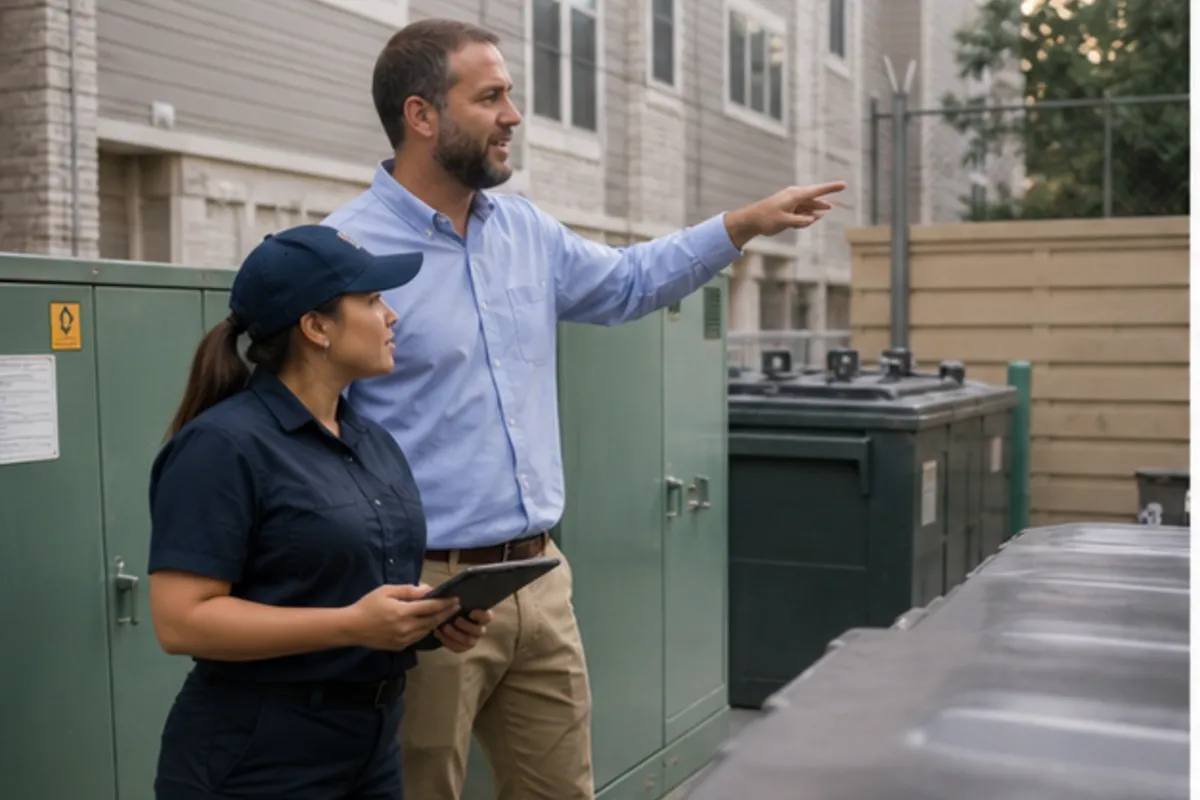
Rental and Multifamily Properties Evidence and Commercial Decision
The inspection focuses on reported units, adjoining rooms or units, shared walls and utilities, waste, laundry, exterior zones, notices, access, and follow-up. The goal is to distinguish a verified pest or condition from assumptions, identify accessible activity zones, record contributing property conditions, and decide whether monitoring, targeted treatment, exclusion, maintenance, recurring service, or another qualified professional belongs in the scope.
Rental and Multifamily Properties Evidence Required Before Service Scope
Useful evidence includes unit-specific sightings, specimens, monitors, work orders, entry gaps, sanitation or maintenance observations, and treatment records. Reports should include the room, wall, fixture, exterior elevation, yard zone, device, or operating area instead of a property-wide statement. A specimen or clear photograph can support identification, but it does not establish every harborages location, entry point, treatment zone, or product choice.
Chronology adds decision value. Record when activity was first noticed, time of day, frequency, weather or moisture events, deliveries or travel, changes to landscaping or waste, prior treatment, repairs, and whether activity moved after those events. This prevents a service proposal from treating a single moment as the entire property pattern.
Rental and Multifamily Properties Inspection Locations across Interior and Exterior Zones
The location plan covers reported units, adjoining rooms or units, shared walls and utilities, waste, laundry, exterior zones, notices, access, and follow-up. Interior work can include cabinets, appliances, plumbing, drains, baseboards, furniture, storage, attics, garages, receiving, waste, and device points. Exterior work can include foundation edge, doors, roofline, utilities, vegetation, irrigation, standing water, wood contact, docks, fences, and neighboring pressure visible from the property.
Access limits remain visible. Locked rooms, occupied units, heavy storage, unsafe attics, high rooflines, concealed wall voids, finished surfaces, operating equipment, sensitive inventory, weather, and property authorization may prevent inspection or service. The written record should distinguish inspected, inaccessible, monitored, treated, referred, and owner-correction zones.
Rental and Multifamily Properties Treatment, Exclusion, and Professional Responsibility Boundaries
The requested decision is to assign resident, management, maintenance, and provider actions through a documented building plan. Pest control does not replace medical diagnosis, veterinary care, structural engineering, plumbing, roofing, electrical work, wildlife management, mold assessment, regulated food-safety oversight, or building maintenance. Any related concern should be assigned to the appropriate qualified provider.
Evidence review, accessible inspection zones, identification confidence, treatment or monitoring locations, preparation, labels, property actions, and follow-up.
Building repairs beyond authorized exclusion, medical or veterinary advice, inaccessible demolition, sanitation labor, contaminated-material removal, or another regulated trade.
Rental and Multifamily Properties Service Options Compared through Evidence and Property Fit
Commercial options can include monitoring, preparation, targeted crack-and-crevice or exterior work, trapping, exclusion, habitat reduction, sanitation or maintenance actions, one-time treatment, follow-up, or a recurring program. The pest, evidence pattern, property use, occupants, access, label, weather, and client objective determine which options belong in the proposal.
A useful comparison shows target pest, inspected and service zones, product or device categories, preparation, no-service areas, customer actions, timing, included visits, re-entry information, re-service terms, exclusions, pricing, cancellation, and documentation. Terms such as safe, non-toxic, pet-safe, guaranteed, free, immediate, or permanent should not appear without verified support.
Rental and Multifamily Properties Service Record and Follow-Up Handoff
The completed record should show evidence found, identification or limitations, inspected areas, inaccessible zones, treatment and monitoring locations, products and label directions, device status, preparation and re-entry, corrective actions, referrals, changes, client communication, open items, and the next review objective.
The handoff does not promise a result beyond the actual written terms. It gives the customer and provider the same property map for judging activity, completed actions, remaining conditions, and whether the next step is monitoring, repeat service, repair, sanitation, habitat work, escalation, or closure.
Request Rental and Multifamily Properties Service in Houston
Send the ZIP code, evidence, exact location, property type, occupants, prior treatment, access, and optional photos.
Request Pest Inspection